Language
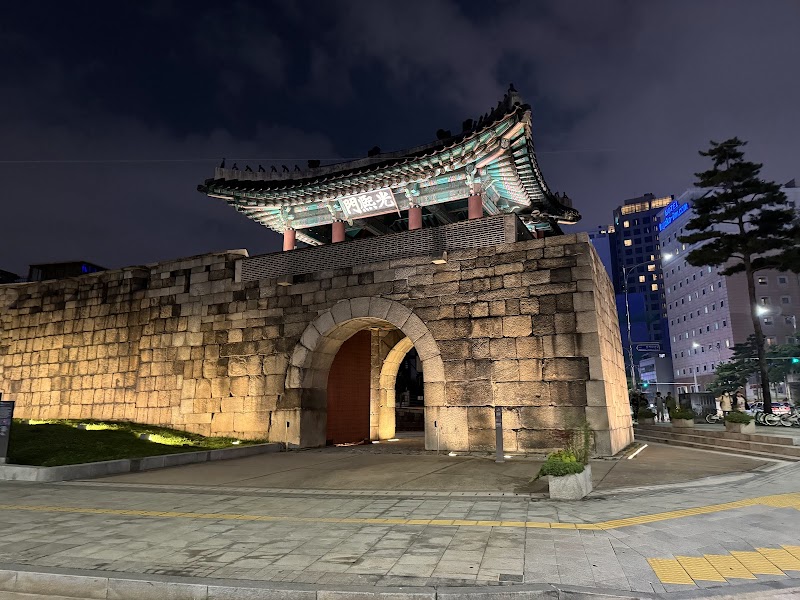
About This Location
[Description] Gwanghuimun Gate, built in 1396 during the Joseon Dynasty, is one of the four small gates of the Hanyang Doseong (Seoul City Wall). Located in the southeast, it was historically known as the "Gate of the Dead" (Sigu-mun) as it was the primary passage for funeral processions leaving the capital. Despite being partially destroyed during the Korean War, the gate was meticulously restored in 1975 to its current elegant state. The gate features a sturdy stone base topped with a single-story wooden pavilion (Mun-ru), showcasing the classic defensive architecture of old Seoul. Today, it stands as a quiet historical landmark amidst the modern Dongdaemun district. At night, the gate and its adjacent stone walls are beautifully illuminated, offering a peaceful, contemplative contrast to the vibrant, neon-lit shopping streets nearby. [How to Get There] The gate is easily accessible via the Seoul Metro. Take Line 2, 4, or 5 to Dongdaemun History & Culture Park Station and take Exit 3. From the exit, walk straight for about 3 to 5 minutes to reach the gate. Alternatively, you can use Line 2 or 6 to Sindang Station (Exit 9 or 10) and walk for about 7 minutes. Several city buses stop at the "Gwanghuimun" or "Gwanghuimun, Gwanghui-dong" bus stations right next to the site. Since it is located on the Seoul City Wall trail, it is a great starting point for a historical walking tour toward Namsan Mountain.
Featured In
1 works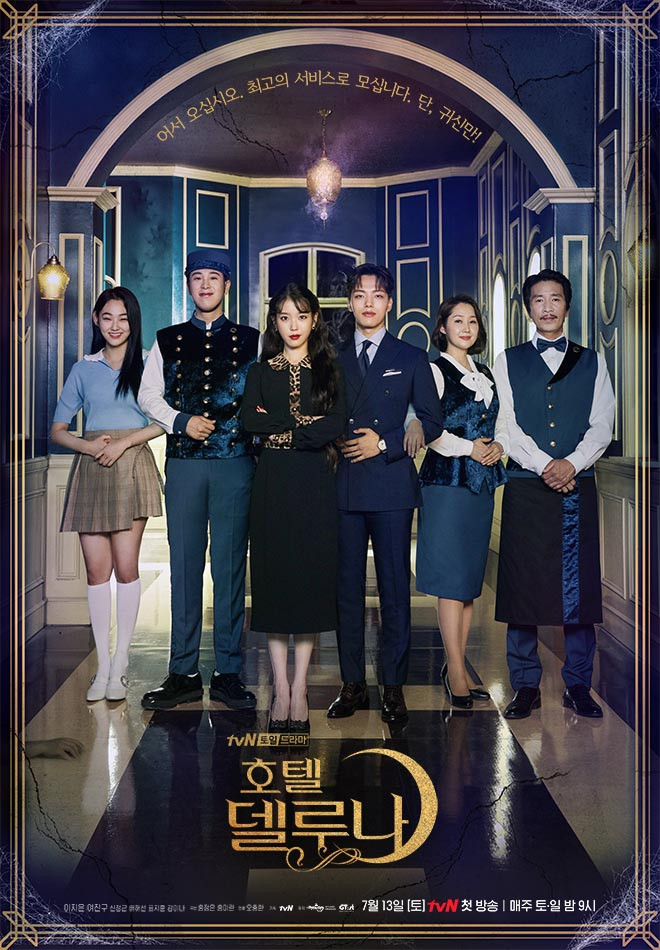
Cast & Actors
2 actors


Location on Map
Quick Info
344 Toegye-ro, Jung District, Seoul, South Korea